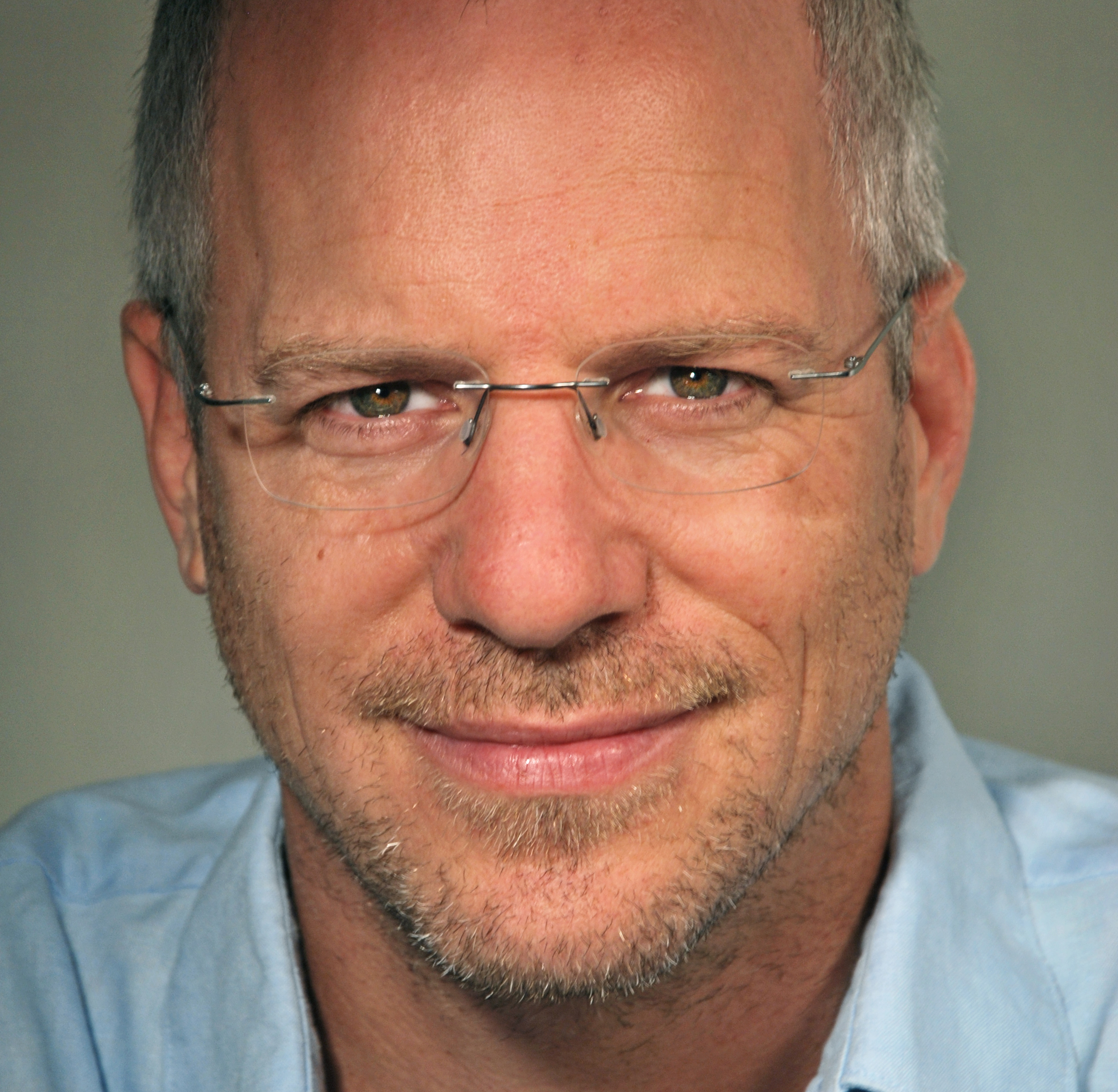


I grew up in Jerusalem in the 1970s and 80s, a city where Jews and Muslims lived side by side. Hebrew was my mother tongue, but Arabic was everywhere—spoken by Palestinians as well as by the parents and grandparents of many of my closest friends who had immigrated from Iraq, Kurdistan, Morocco, and Syria. At the same time, my grandmother, who had fled Berlin in the 1930s, often spoke to us in Hebrew laced with German words, and sang us German lullabies. These three languages—Hebrew, Arabic, and German—shaped my childhood. Even though I speak Arabic and German only imperfectly, their sounds and the cultures they embody are deeply ingrained in me.
Arabic Lessons is a song cycle of 13 poems written by Michael Roes. Roes composed the poems in Arabic and later retranslated them into German. The late Professor Sasson Somekh of Tel Aviv University translated them into Hebrew. In my musical setting, these three languages coexist and often overlap: some songs are sung simultaneously in Arabic, Hebrew, and German. This multilingual layering is at the heart of the work, reflecting both tension and dialogue, estrangement and the possibility of listening.
The cycle is scored for three sopranos—each embodying one linguistic domain—together with a six-member ensemble of winds, strings, and percussion. Two purely instrumental movements frame and interrupt the sequence: the opening 4 Loops, and Canon for solo drum set. The entire work may be performed seamlessly in one arc of about 35 minutes, or as individual songs standing on their own.
From the outset, the piece juxtaposes differences while searching for connections. At times, the three voices move in counterpoint, at others in heterophony, echoing the common structures of Semitic languages or highlighting their incompatibility. Rhythmic patterns from the instruments—particularly saxophone, trumpet, and percussion—provide a charged, almost theatrical underpinning.
As Prof. Ruth HaCohen has written, the work stands at the intersection of my Middle Eastern roots and my German-Jewish heritage. The trilingual text is politically and emotionally fraught—Jews’ ambivalence toward German, Arabs’ and Israelis’ suspicions of each other’s languages—yet it also harbors hope: a space of reciprocal listening, of understanding through difference. The three sopranos carry this burden, sometimes separate, sometimes entwined, while the ensemble enriches and challenges their voices.
The result is a cycle that functions as a set of “lessons”—lessons not only in grammar and vocabulary, but in the act of listening across borders. In its cacophonous moments, it mirrors the tensions of Jerusalem, the city of my birth. In its fragile harmonies, it suggests the possibility of dialogue, of hearing the other not despite the difference, but through it.